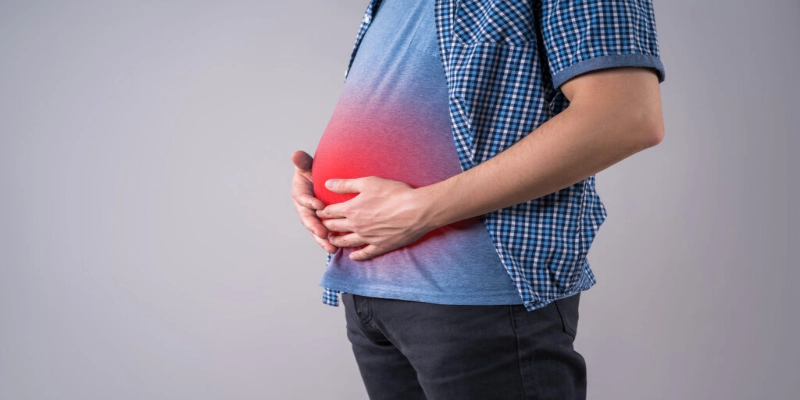
Bloating is that familiar gassy, tight feeling in your stomach after eating or, sometimes, for no apparent reason. While almost everyone deals with it occasionally, it becomes a weekly occurrence for some. Understanding what bloating is, why it happens, and what provides relief can help manage the discomfort effectively.
What Is Bloating, Exactly?
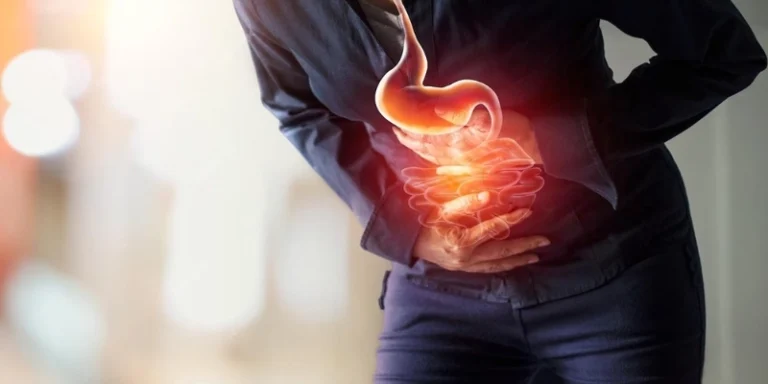
In simple terms, bloating is a feeling of fullness, tightness, or swelling in the abdomen, happening when air or gas fills up the digestive tract. Sometimes it makes the stomach look physically bigger, while other times it only feels that way with no visible swelling.
Medically, bloating is an accumulation of gas or air in the gastrointestinal tract that fails to move through as it should. It can occur after eating, during digestion, or hours later depending on the trigger.
Stomach bloating is distinct from weight gain; it is short-term, temporary, and tied to digestion rather than fat storage. Confusing the two often leads to unnecessary worry about weight when the actual issue is digestive.
Common Symptoms That Come With Bloating
Bloating rarely occurs entirely by itself. It is usually accompanied by:
- A full, tight feeling in the stomach
- Abdominal distention
- Frequent burping or gas
- Mild abdominal pain
- Gurgling or rumbling in the stomach
- A pressure feeling just below the ribs
- Discomfort that improves after passing wind or using the toilet
Occasional appearance of these symptoms is typically not serious. However, daily occurrences, pain, unexplained weight loss, or blood in the stool require medical care rather than home remedies.
Causes of Bloating: Why It Happens
Various triggers often act simultaneously to cause bloating:
- Eating too fast: Swallows more air, which builds up in the stomach.
- Carbonated drinks: Sodas and fizzy drinks introduce extra gas directly into the gut.
- Certain foods: Items like beans, cabbage, onions, and dairy are frequent culprits.
- Constipation: Waste sitting in the colon longer than normal allows gas to build up.
- Food intolerances: Lactose or gluten intolerances can trigger regular bloating after specific meals.
- Stress: The close connection between the gut and brain means anxiety often manifests as stomach trouble.
- Hormonal changes: Many women notice increased bloating right before their period.
- Swallowed air from habits: Chewing gum, drinking through a straw, or talking while eating introduces extra air.
Other reasons include underlying digestive conditions such as irritable bowel syndrome (IBS), acid reflux, or a slow gut. Identifying personal triggers is essential because fixes depend heavily on the root cause.
Bloating After Eating: A Closer Look
Noticing bloating right after meals, hours later, or after consuming specific foods provides vital clues about its origin. Eating too fast means chewing less and swallowing more air, while large portions stretch the stomach and cause discomfort even before digestion begins. Heavy fried foods combined with fizzy drinks frequently create an overly full feeling, and late-night eating can exacerbate issues since digestion naturally slows down in the evening.
Stomach Bloating vs. A Bloated Stomach: What’s the Difference?
While often used interchangeably in casual conversation, stomach bloating refers to the overall feeling of tightness, discomfort, and gas, whereas a bloated stomach describes the visible or physical outcome when the abdomen looks or feels swollen to the touch. Both share the same underlying cause—trapped air or gas that has not cleared the system. Consequently, solutions remain largely identical: better digestion, slower eating, and awareness of trigger foods.
Foods That Commonly Trigger Bloating
Diet plays a major role, and keeping a food diary for a week or two can help quickly identify personal triggers:
- Beans and lentils
- Cabbage, broccoli, and cauliflower
- Onion and garlic
- Dairy products (especially for lactose-intolerant individuals)
- Wheat foods for gluten-sensitive people
- Sugarless gums and candies containing sugar substitutes
- Heavily fried and processed snacks
- Sodas and sparkling water (carbonated beverages)
Moderation is key, especially for sensitive guts, meaning nutritious trigger foods do not necessarily need to be cut out entirely.
Bloating and Gut Health
The trillions of bacteria residing in the gut determine gas production based on the balance of good and bad bacteria. Bloating often improves as overall gut health improves. Fermented foods like curd, buttermilk, and pickles (in moderation) support a healthier gut environment.
Fiber is also crucial, but it must be introduced gradually; a sudden increase in fiber from vegetables or whole grains can temporarily worsen bloating for a week or two. Additionally, sleep quality affects digestion—sleep deprivation disrupts digestive hormones, leading to extra gas or a sluggish gut the next day. Establishing consistent meal times gives the digestive system a predictable rhythm, reducing random bloating episodes over the long term.
How to Reduce Bloating Naturally
Small, consistent daily habits often outperform one-time quick fixes:
- Eat slowly: Proper chewing reduces swallowed air.
- Keep moving after meals: A short walk helps gas pass through the gut.
- Choose warm water: Warm fluids support digestion better than cold ones.
- Reduce carbonated beverages: Less fizziness means less trapped gas.
- Manage portions: Big meals slow digestion and increase pressure on the gut.
- Practice stress management: Calming the mind often calms a stress-reactive stomach.
- Increase fiber gradually: Avoid sudden dietary shifts that can backfire.
Bloating Relief Tips You Can Try Today
Lifestyle adjustments and simple home remedies offer quicker relief for occasional discomfort:
- Ajwain water: A traditional household remedy for gas and bloating.
- Ginger tea: Known to help with digestion and calm upset stomachs.
- Hot water bottle: Applying gentle heat to the stomach relaxes muscles and eases trapped gas.
- Pawanmuktasana: A yoga posture literally named the “Wind-Relieving Pose.”
- Stay upright: Avoid lying down immediately after a meal; staying upright for at least 30 minutes aids digestion.
- Fennel (saunf) water: A common post-meal practice that may help reduce gas.
Common Myths About Bloating
- Myth: Bloating means you ate too much. While portion size matters, bloating can happen after a small meal if it contains trigger foods or if you eat while stressed.
- Myth: Drinking less water reduces bloating. Dehydration actually slows digestion and worsens bloating, making hydration helpful rather than harmful.
- Myth: Bloating always signals a serious illness. Most bloating stems from everyday habits, gas-producing foods, or stress, and only requires worry when paired with warning signs.
- Myth: Only people with poor diets get bloated. Even individuals who eat well experience bloating due to hormonal shifts, travel, or sudden dietary changes like adding more fiber.
Bloating in Women: A Few Extra Factors
Hormonal fluctuations during the menstrual cycle cause bloating by impacting water retention and gut motility. Pregnancy is another common trigger, where elevated progesterone levels slow down digestion. Consulting a gynaecologist is recommended if cycle-related bloating becomes severe or disruptive.
When Should You See a Doctor?
While normal bloating resolves on its own, certain signs require professional medical evaluation rather than dietary adjustments:
- Persistent bloating lasting several days without comfort
- Unexplained sudden weight loss
- Bloody stool
- Severe or worsening abdominal pain
- Fullness accompanied by constant vomiting
- Worsening stomach bloating that fails to improve with dietary changes
Managing Bloating
Recognizing what bloating is allows for a rational response rather than unnecessary worry whenever the stomach feels tight. Most cases link back to diet, digestion speed, or stress, meaning small daily adjustments bring consistent support.
For those seeking extra digestive support, products like JIBS Drops are formulated to assist gut health and help manage bloating and bowel discomfort. As with any Ayurvedic or herbal wellness approach, frequent or severe symptoms warrant consultation with a practitioner to ensure the root cause is properly addressed.